Understanding Authentic and Replica Chairs
When shopping for a designer chair, the first decision most buyers face is whether to go authentic or replica. The price gap can be enormous, so understanding what you are actually paying for is essential.
What Is an Authentic Chair?
An authentic (or licensed) chair is manufactured by the company that holds the rights to the original design. For Eames shell chairs, that is Herman Miller. For Wegner’s Wishbone Chair, it is Carl Hansen & Son. For the Series 7, it is Fritz Hansen. These manufacturers follow the original specifications for materials, dimensions, and quality control, often using processes refined over decades.
What Is a Replica?
A replica (sometimes called a “reproduction” or “generic”) is a chair produced by a third-party manufacturer after the design’s intellectual property protection has expired. The exterior shape may look similar, but the manufacturer, materials, and quality standards differ from the original.
Quality Differences: What Sets Them Apart
Materials
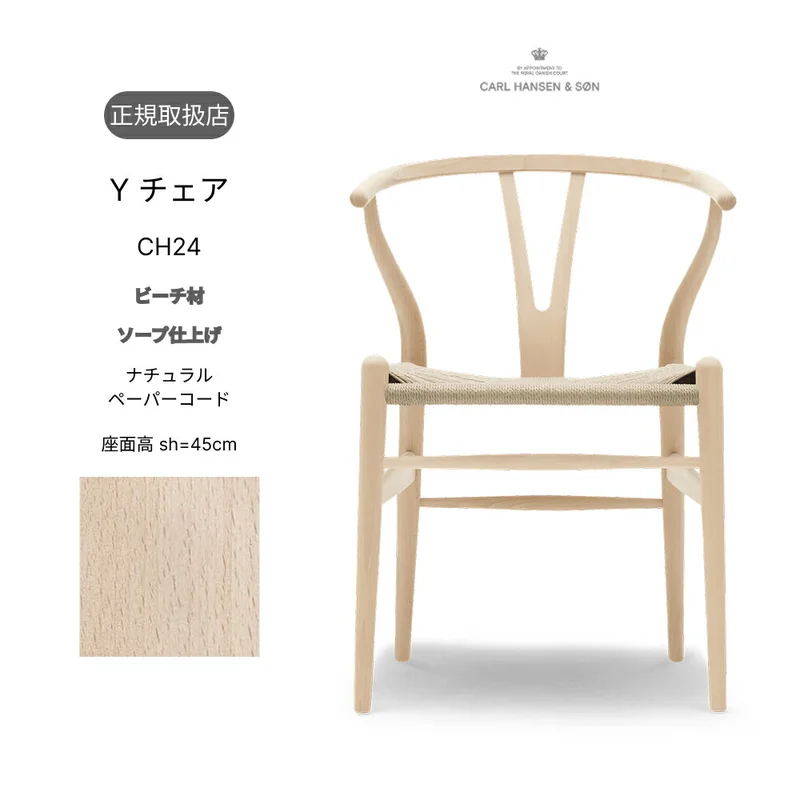
Authentic manufacturers source materials to the designer’s original specifications. Carl Hansen & Son, for example, uses carefully selected European beech and hand-woven paper cord for every Wishbone Chair. Replica producers may use visually similar but lower-grade wood, thinner veneers, or synthetic substitutes that affect both feel and longevity.
Finish and Precision
Decades of manufacturing expertise give authentic producers an edge in consistency. Joint tolerances, paint uniformity, and surface finishing are held to strict standards. Replica quality varies widely between manufacturers; two chairs sold under the same product name can feel noticeably different in hand.
Durability and Aging
Authentic chairs are engineered to last for decades. High-quality wood, precision joints, and proven finishes mean they age gracefully, developing character over time. Replicas may look comparable when new, but loosening joints, fading finishes, and deteriorating paper cord often appear within a few years.
Price Comparisons: Three Iconic Chairs
The price gap between authentic and replica designer chairs typically ranges from 3x to 10x or more. Here are three well-known examples.
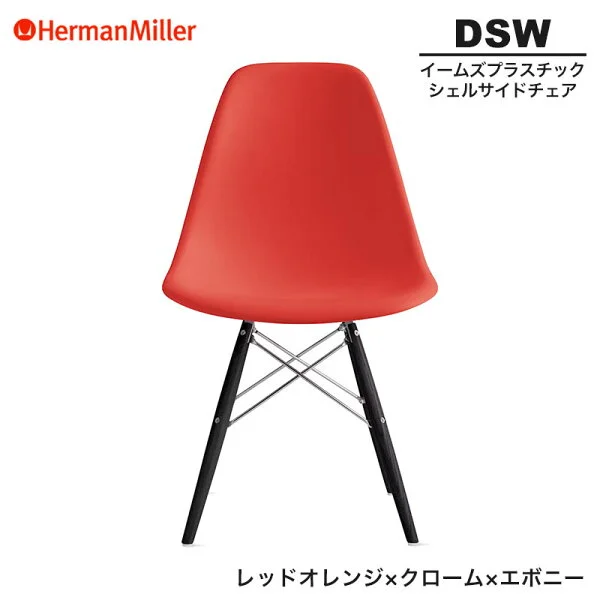
Eames Shell Chair DSW
- Authentic (Herman Miller): approximately $500-700
- Replica: from around $80-150
- Price ratio: roughly 5-8x
Wishbone Chair CH24
- Authentic (Carl Hansen & Son): approximately $700-1,100
- Replica: around $150-300
- Price ratio: roughly 3-5x
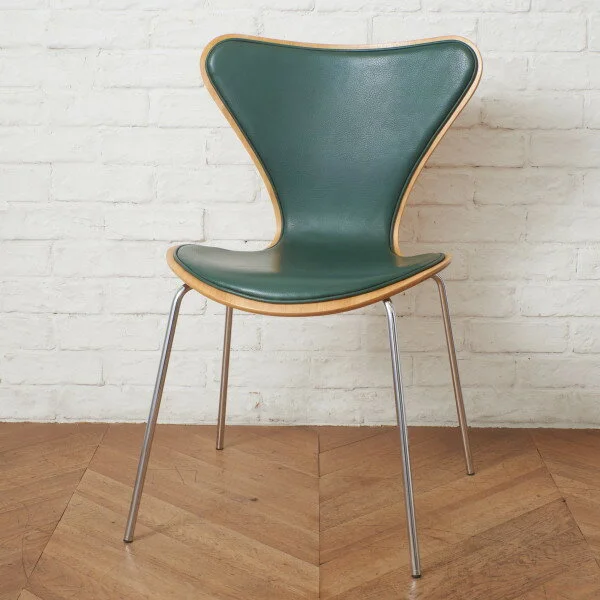
Series 7 Chair 3107
- Authentic (Fritz Hansen): approximately $600-900
- Replica: around $80-250
- Price ratio: roughly 3-7x
When to Buy Authentic
You Plan to Keep It for Decades
If you want a chair that will serve you for 10, 20, or 30 years, the durability and after-sales support of an authentic piece justify the investment. Most authorized manufacturers offer repair services and replacement parts.
You Value Resale and Investment Potential
Authentic designer chairs hold their value remarkably well on the secondhand market. Well-maintained vintage pieces sometimes sell for more than their original purchase price.
You Want the Designer’s True Vision
Only an authentic chair delivers the exact sitting experience, material feel, and visual proportions that the designer intended. The difference is subtle but unmistakable once you have sat in both.
When a Replica Makes Sense
You Want to Test a Design First
Not sure if a Wishbone Chair suits your dining room? A replica lets you live with the form and scale before committing to the real thing. Many collectors start with a replica and upgrade later.
Short-Term or High-Turnover Use
For temporary setups, event spaces, or shared offices where longevity is less important than cost efficiency, replicas can be a practical choice.
Important Considerations
Intellectual Property and Legality
Replicas are only legal when the original design’s IP protection has expired. In many countries, design patents last 20-25 years, but copyright protections can extend much longer. A chair still under active protection is not a “replica” but an unauthorized copy, and buying or selling one carries legal risk. Always verify the IP status before purchasing.
Spotting Low-Quality Replicas
Not all replicas are created equal. Extremely cheap options often cut corners on structural integrity and materials safety. Read reviews, inspect the chair in person if possible, and be cautious of prices that seem too good to be true.
Making Your Decision
There is no universal right answer. If quality, durability, and long-term value are your priorities, an authentic chair is the stronger choice. If budget is the primary constraint and you want to enjoy a designer aesthetic, a reputable replica can be a reasonable starting point. Either way, choosing thoughtfully and understanding what you are getting is the first step toward a lasting relationship with a well-designed chair.
Featured Chairs in This Article